
Farmhouse holiday cottages in a tranquil rural hideaway Ceredigion, West Wales.
Churches & Chapels
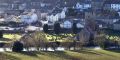
Church of St Tysul Llandysul
Situated alongside the Teifi River in the heart of the Teifi Valley. The Church of Saint Tysul is the oldest building in Llandysul. 6 Mins
3 Miles
3 Miles
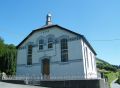
Cwrt-y-Cadno Welsh Calvinistic Methodist Chapel
Cwrt-y-Cadno Welsh Calvinistic Methodist Chapel is featured in a new collection of photographs of 120 of Wales's chapels. Chapels by Tim Rushton. 42 Mins
22 Miles
22 Miles
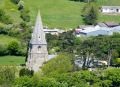
Llanrhystyd Church
The village church is dedicated to St. Rhystud. The present structure dates from 1852. 40 Mins
25 Miles
25 Miles
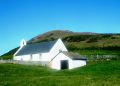
Mwnt Church Ceredigion's oldest church
The church with its location overlooking Cardigan Bay is stunning. Many people feel the church is a special place – a ‘thin place’ – where the presence of God seems very real. 40 Mins
22 Miles
22 Miles
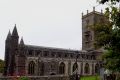
St Davids - Cathedral
Named after St David the patron Saint of Wales, this is Britain’s smallest city (population 1,600), by virtue of it having a cathedral. The Cathedral is beautiful inside and out and is constructed in part with the distinctive purple coloured local stone. 1 Hours 20 Mins
50 Miles
50 Miles
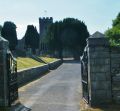
St Llawddog, Cilgerran.
The church of St Llawddog, is a grade II listed building. The churchyard contains a megalithic standing stone or Ogham stone upon which Ogham writing can still be seen. 36 Mins
18 Miles
18 Miles
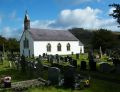
St Michael & All Angels Church, Talley
The church, dedicated to St. Michael, having fallen into decay, was rebuilt in the Grecian style, in 1773 . . . principally from the ruins of the ancient abbey . 38 Mins
19 Miles
19 Miles
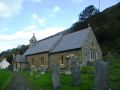
St. Crannog’s Church Llangrannog
Llangrannog’s origins are from St Carantog. Around about 550AD he established a religious settlement not far from the seashore where the current St. Crannog’s church stands today. Today’s church was built in 1884-5. 24 Mins
13 Miles
13 Miles
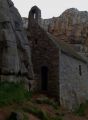
St. Govan's Chapel near Pembroke
Built into the side of a limestone cliff, the chapel is tiny (7 x 4 metres). Mainly built in the thirteenth century, but parts of it may date back to the sixth century when Saint Govan, a monk moved into a cave located on the site of the chapel. 1 Hours 25 Mins
55 Miles
Dog Friendly
55 Miles
Dog Friendly
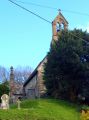
St. Llawddog Church Cenarth
The parish church is dedicated to the local saint, St. Llawddog. Although the present building is relatively modern, it is on an important ancient site. 23 Mins
12 Miles
12 Miles
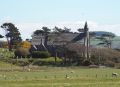
St. Matthew's Church - Borth
The need for a permanent church building became obvious by the later nineteenth century, especially as the opening of Borth railway station in 1863 brought additional holiday makers. ..... 1 Hours 7 Mins
40 Miles
40 Miles

St. Michael Church, Penbryn, Cardigan Bay
The church is dates from the 12th century, or earlier and is grade 1 listed. It stands above the settlement and beach of Penbryn, a National Trust owned, stretch of the coast. It is in a beautiful spot and has excellent views across Cardigan Bay 25 Mins
14 Miles
Dog Friendly
14 Miles
Dog Friendly
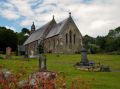
St. Thomas parish church St Dogmaels
The church, which stands alongside the abbey today, is of much later Victorian origins. Links with the medieval past remain amongst the ruins of the old abbey church where original 15th-century floor tiles can still be seen. 36 Mins
20 Miles
Dog Friendly
20 Miles
Dog Friendly
West Wales
Stallion Valley
Holiday Cottages
Latest Blog Entries
- Sunny New Quay Tuesday, this week for a lunch & a stroll.
Friday 27th of February 2026 02:46 PM
- New Year guest comments
Sunday 11th of January 2026 10:51 AM
- Amber's 1st visit
Friday 18th of July 2025 04:36 PM
Contact Us
Cwm March Farmhouse Cottages
Llandysul
Ceredigion
SA44 4LR
07976 893092